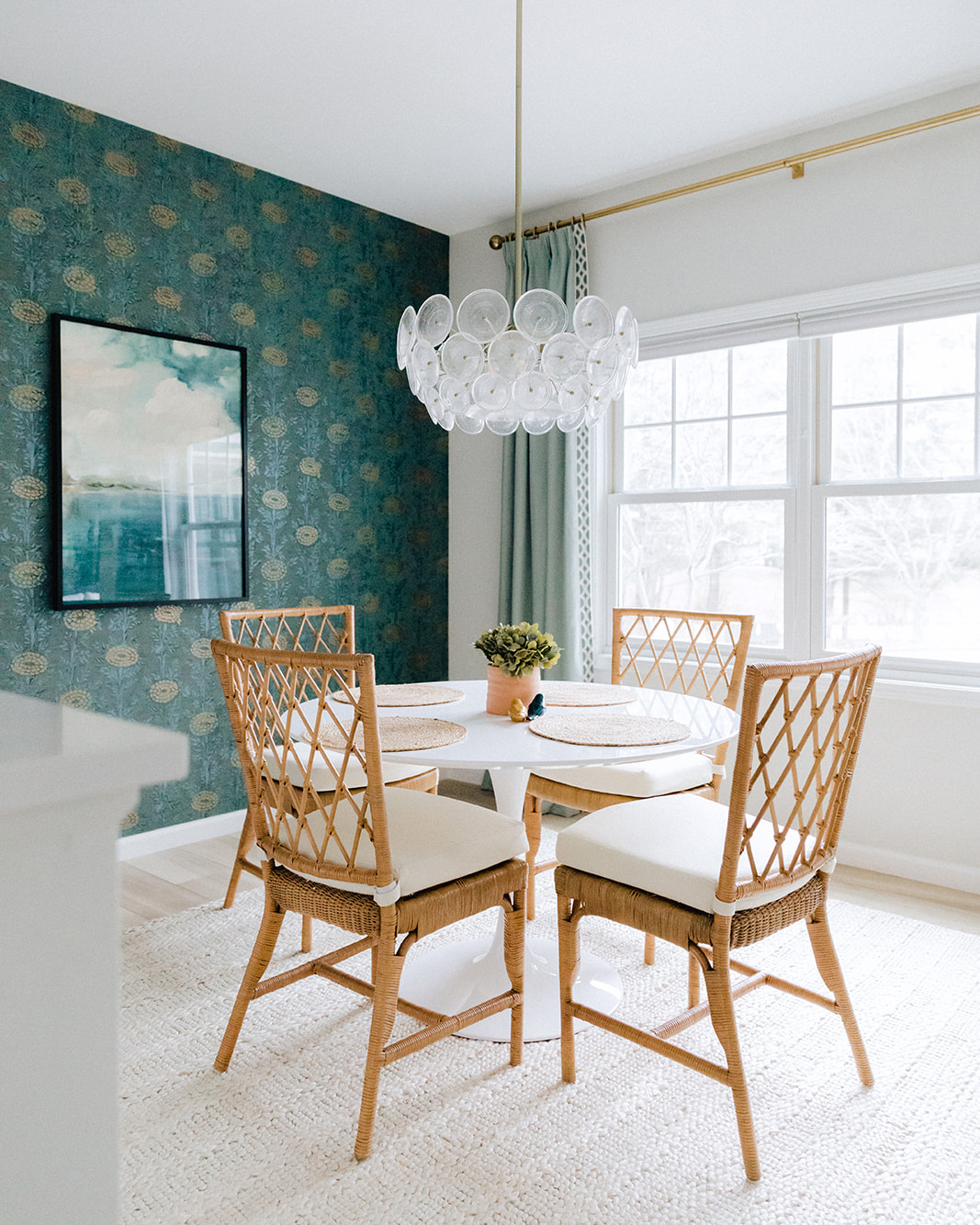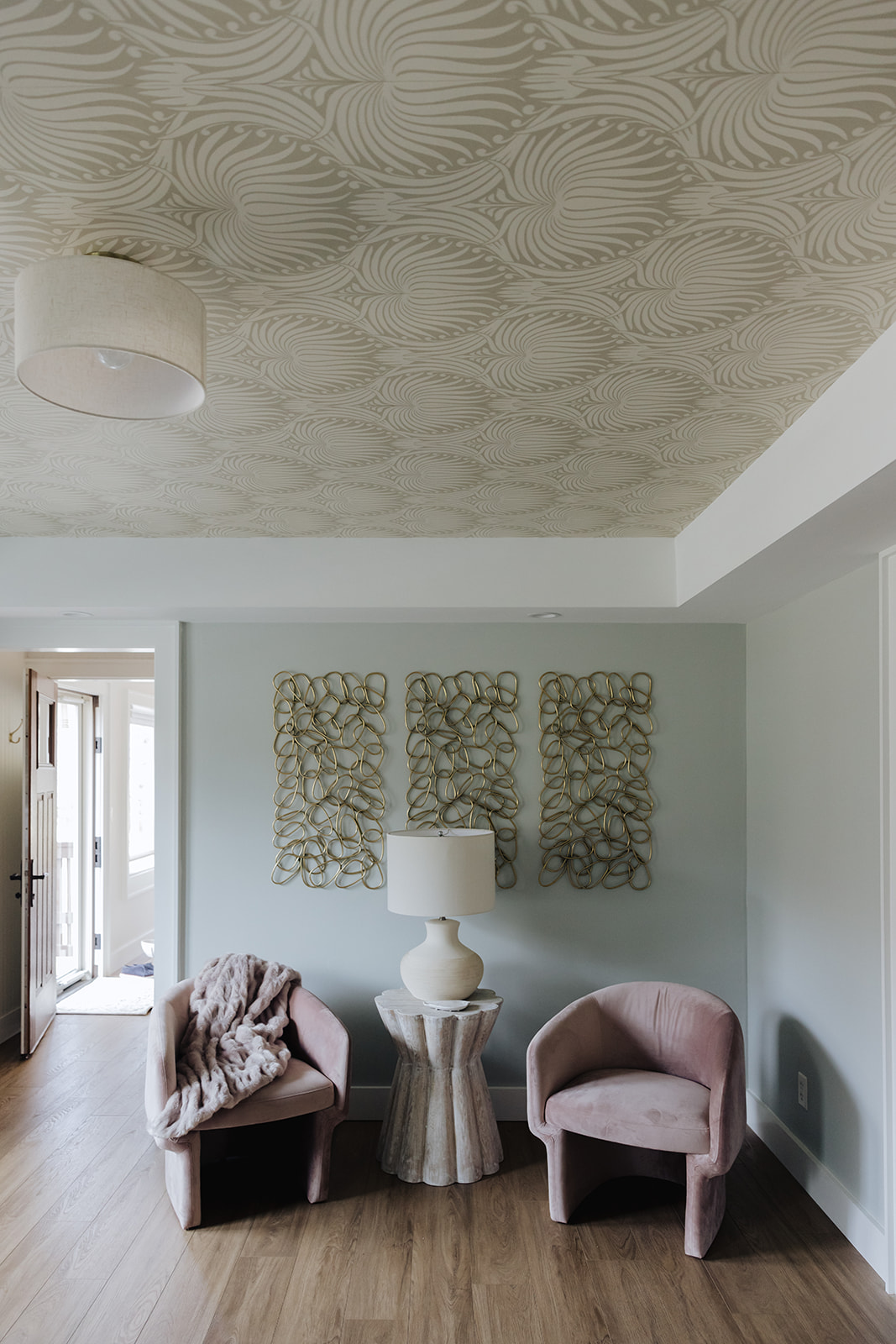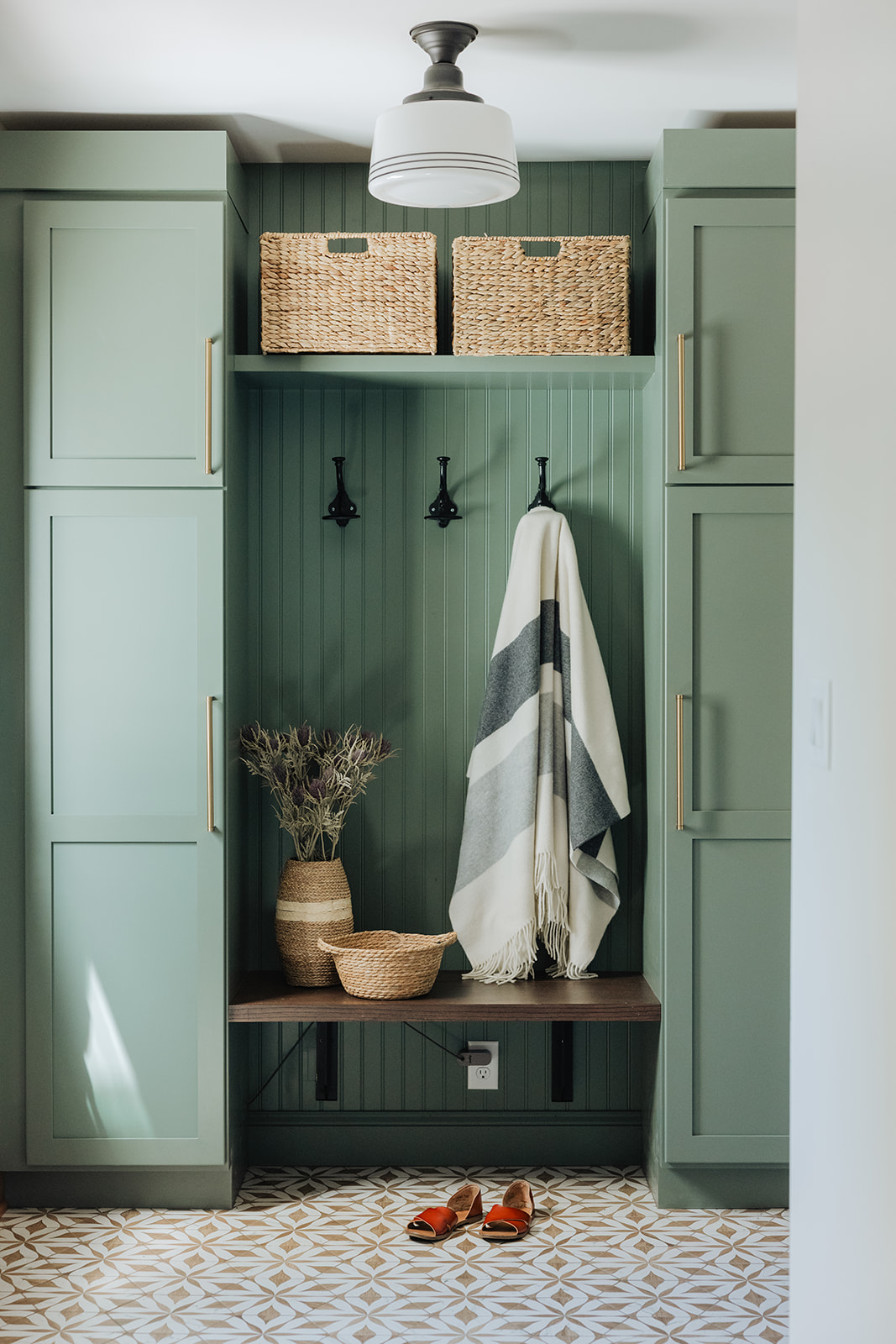
Every industry has its unwritten rules, and kitchen and bath design has more than most. The sink goes under the window. The island should be as big as the room allows. Your faucet, hardware, and light fixtures should all match. Wallpaper stays out of the bathroom.
We understand where these rules come from. Most of them started as good advice. But somewhere along the way they turned into automatic answers, and automatic answers are how you end up with a home that looks like everyone else’s and doesn’t quite fit the way you live.
So here are a few design opinions we stand behind, even if they raise an eyebrow or two.
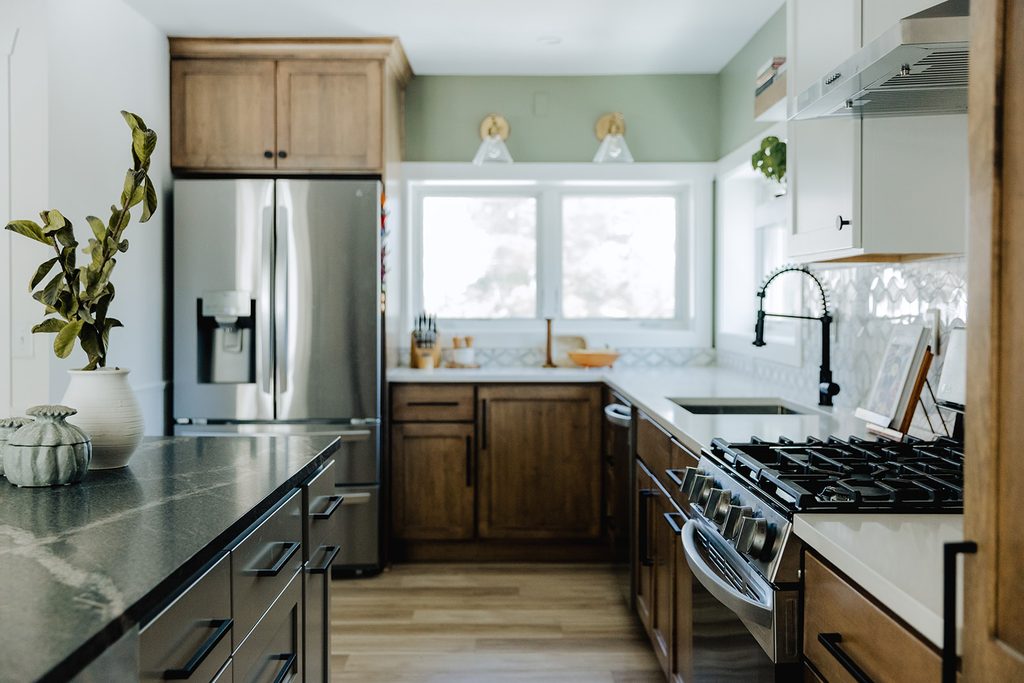
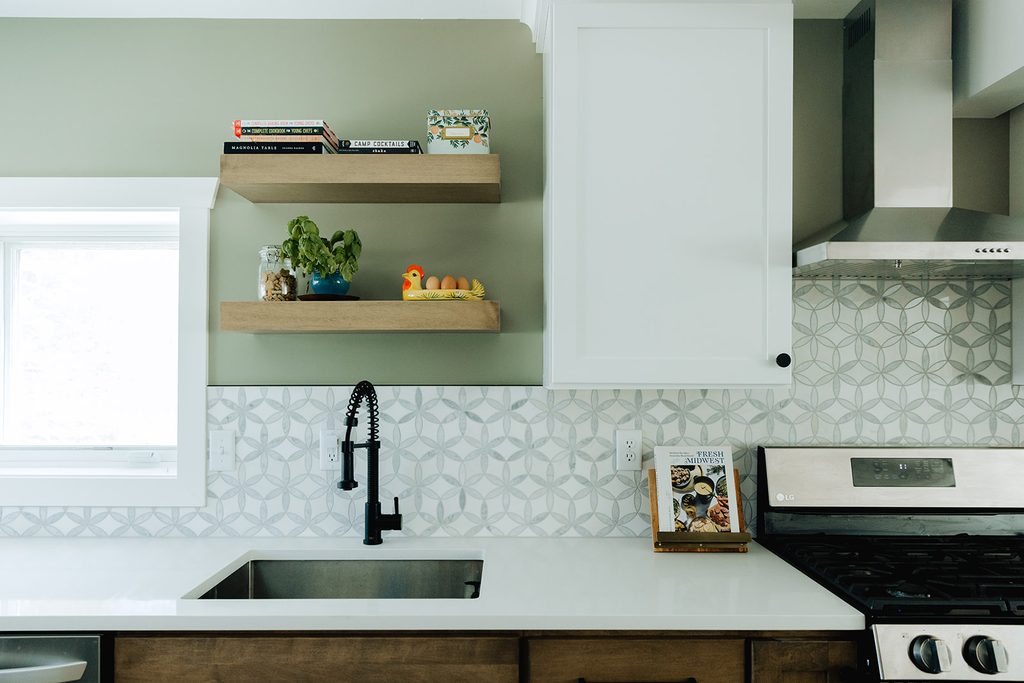
A sink under the window is lovely. You can look outside while you rinse vegetables, and the light is a plus. But it isn’t a requirement, and sometimes it works against the overall design of a room.
1. The sink doesn’t have to sit under the window
When we design a kitchen, we start with how you actually move through it. Where does the prep happen? Where do the groceries land? How far is it from the sink to the stove to the dishwasher? Sometimes the best answer puts the sink on an interior wall or in the island, and gives the window to a breakfast nook, open counter space, or a view you’ll enjoy from the table.
2. A beautiful kitchen doesn’t need a huge island
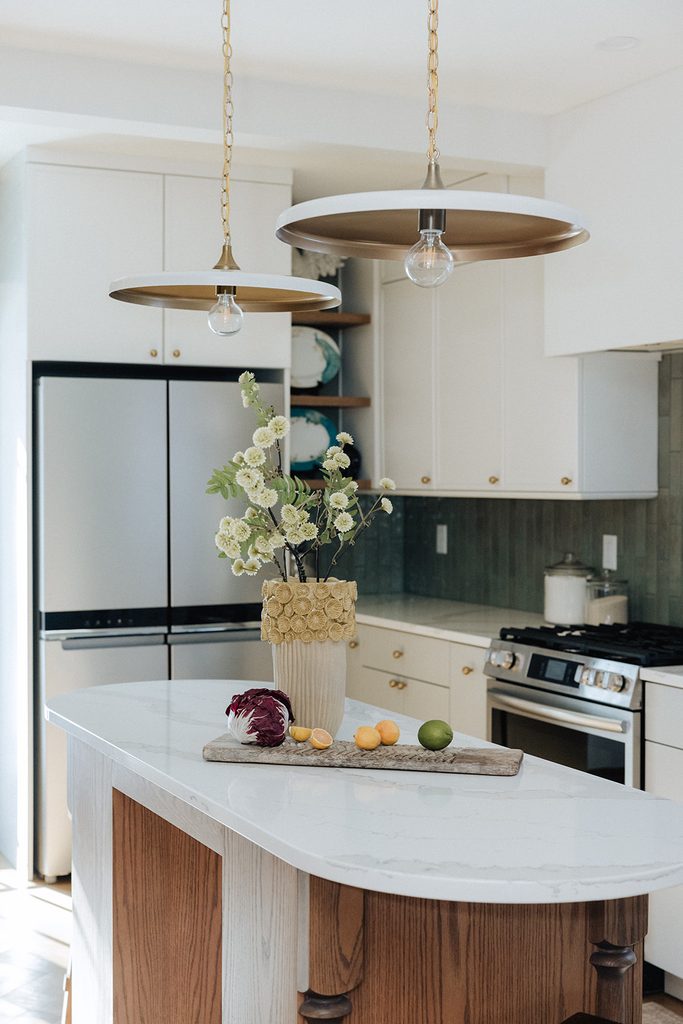
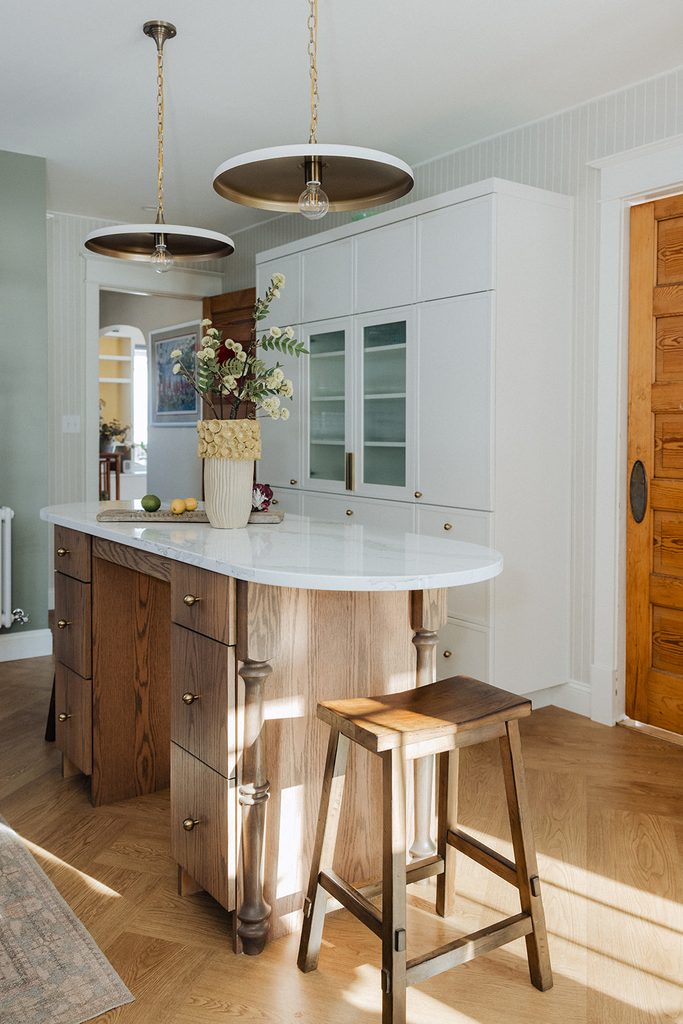
The oversized island has become a kind of status symbol. And in the right room, a big island is wonderful. But in plenty of homes, it ends up taking over the space more than adding to it.
An island that’s too large can squeeze your walkways, block the path between the fridge and the stove, and turn a simple trip across the kitchen into a detour. Sometimes a smaller island, a peninsula, a freestanding worktable, or no island at all makes the room feel more open and easier to use.
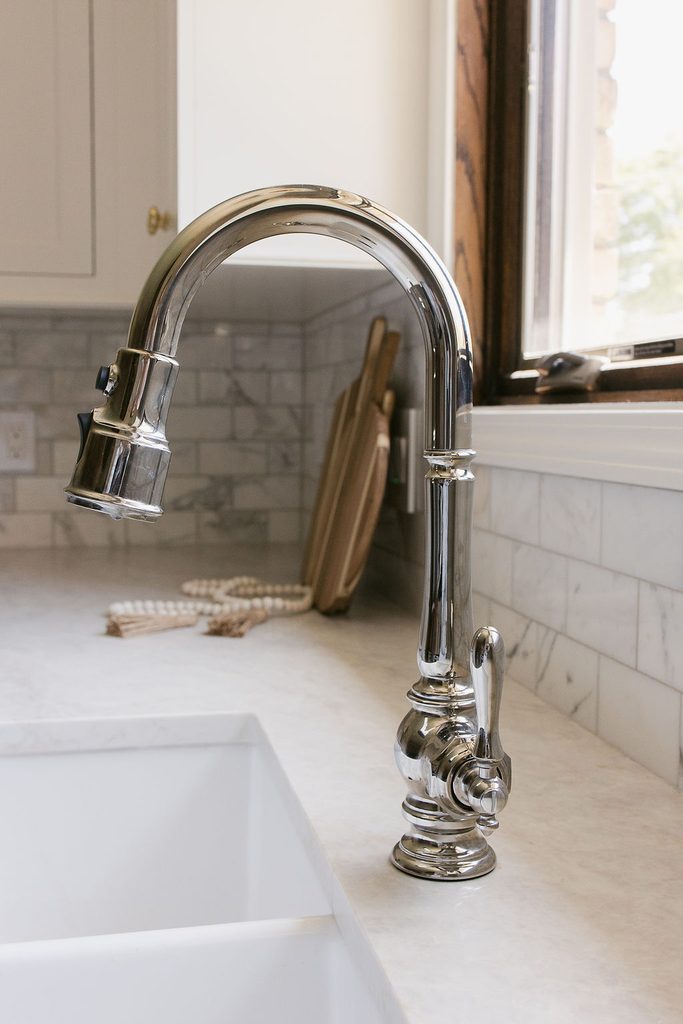
3. Your metal finishes don’t have to match
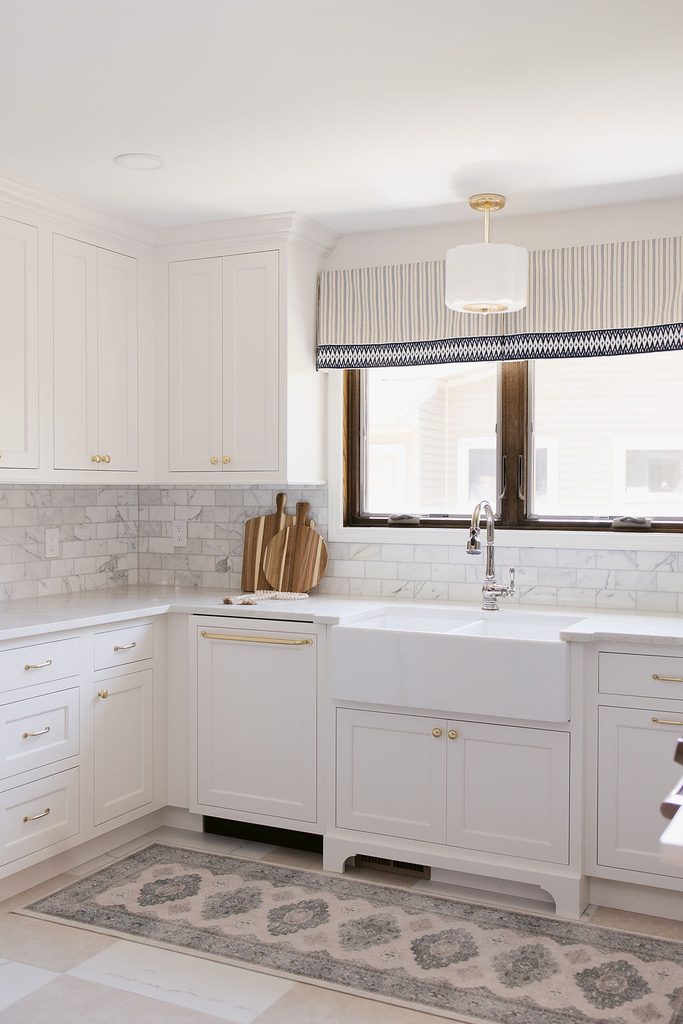
Almost *all* our projects have mixed finishes. Brass pulls with a matte black faucet. Polished nickel sconces over an aged bronze vanity. A copper range hood in a kitchen full of stainless.
Matching every finish can look safe, but it can also look flat, like everything came out of the same box. Mixing metals adds depth and a sense of a home that came together over time. The key is intention: pick a main finish, add one or two that complement it, and repeat each one at least once so it reads as a choice and not a mistake.
Scroll through almost any Curio project, and you’ll find mixed metals working together. We’d have a hard time going back.
4. Yes, wallpaper can go in the bathroom
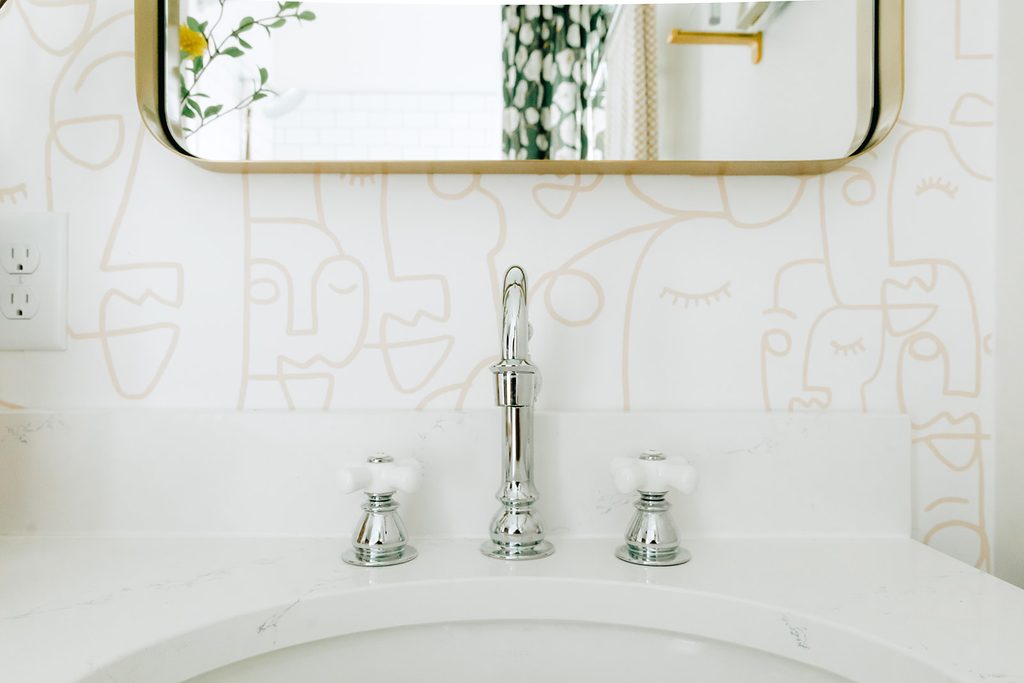
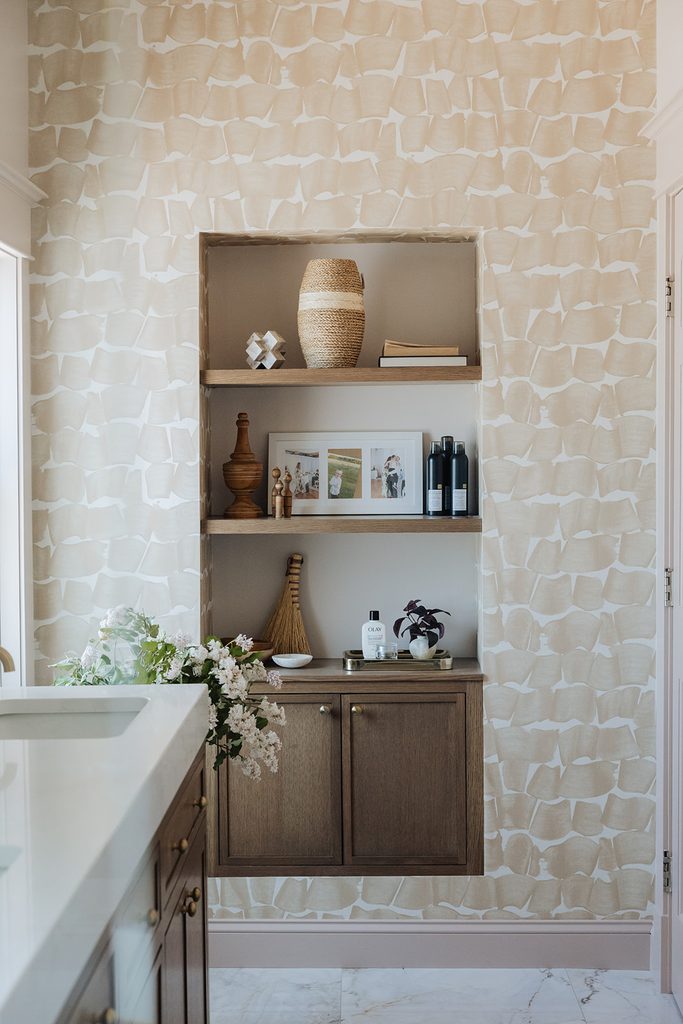
We hear the worry all the time: won’t the moisture ruin it? It’s a fair question, and the answer is that it depends on the room and the product.
Wallpaper can work well with good ventilation, the right material, and smart placement. Vinyl and other moisture-resistant papers have come a long way.
The payoff is big. Bathrooms are often the smallest rooms in the house, which makes them the best place to take a risk. A great wallpaper can give a small room more personality than any tile choice alone.
Have a design “rule” you’ve always wanted to break? Let’s talk about your space.